
The compact disc has gone from a prized possession to a thrift-store bargain. But its story isn’t finished.
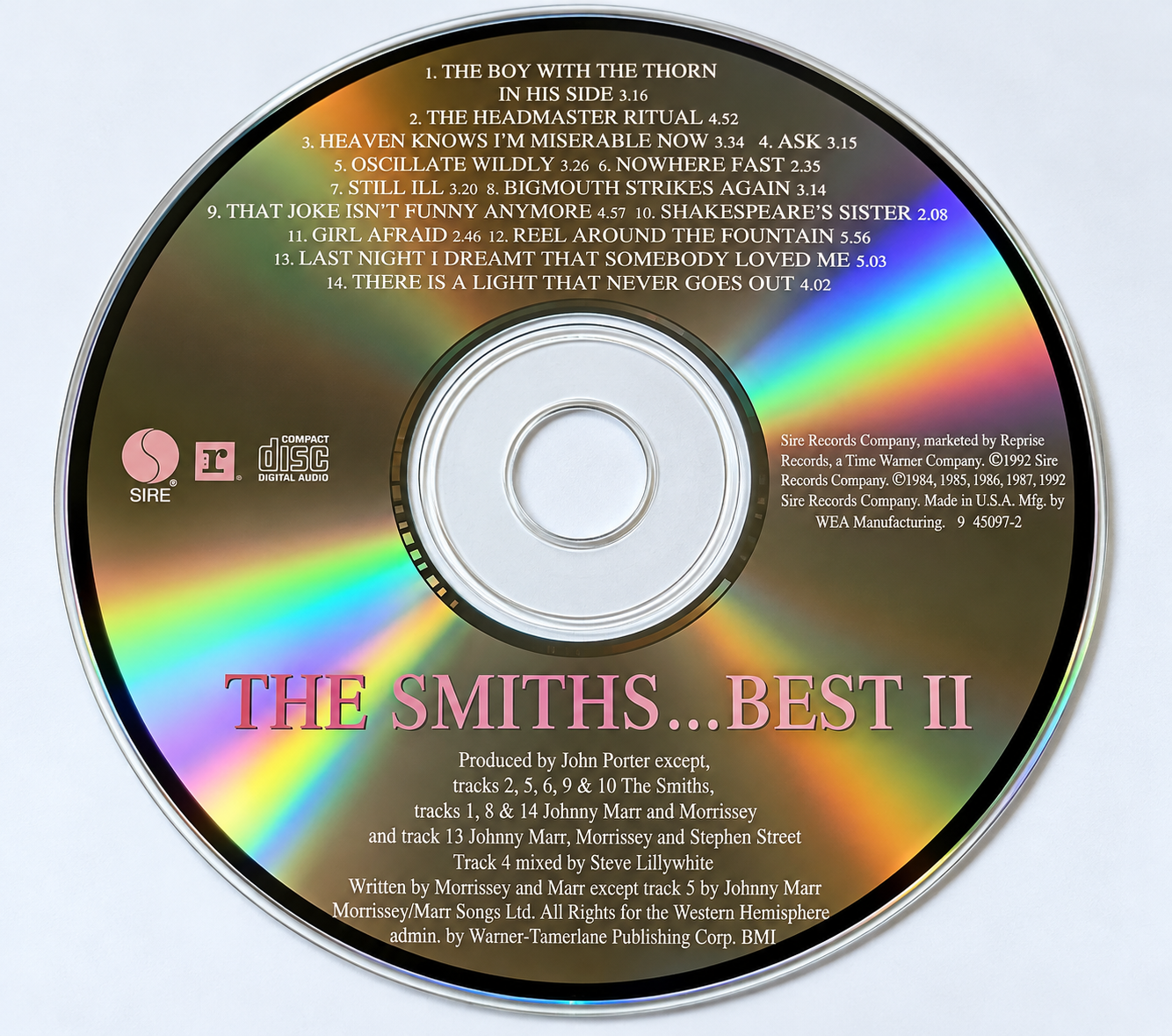
Somewhere in America, a perfectly good compact disc is sitting in a thrift-store bin with a price tag of 99 cents. Twenty years ago, somebody might have paid $16.99 for it. Today, millions of people carry entire music libraries in their pockets, and that once-prized album has become something barely worth picking up. Yet Americans still bought millions of CDs last year. Who is buying them, and what do they know that the rest of us might be overlooking?
For starters, that 99-cent CD might be one of the cheapest ways to own an album outright. No subscription, no monthly payment, and no wondering whether a favorite recording will disappear from a streaming service next Tuesday. Find a working CD player, put the disc in, and the music is yours to enjoy. It might not be as convenient as asking your phone to play a song, but convenience isn’t the only thing people consider when deciding what to buy.
There’s also something peculiar about the way we’ve come to value music. A person might happily pay five dollars for a cup of coffee that lasts twenty minutes, then hesitate over a two-dollar album that could provide years of enjoyment. The comparison isn’t entirely fair, of course. Coffee and music serve different purposes. Still, it raises an interesting question about what happens when something that was once expensive becomes so plentiful that we stop noticing it.
A Brief History of the Format
Compact discs were once anything but ordinary. Introduced commercially in the early 1980s, the format promised clean digital sound and freedom from the pops and scratches associated with worn vinyl records. By the 1990s, CD collections had become fixtures in homes and automobiles across America. Record stores filled entire walls with them, and a new album could represent a fairly serious purchase for a young music fan. Then came digital downloads, followed by streaming, and millions of those once-treasured discs began making their way into closets, garage sales, donation boxes, and secondhand stores.
That history helps explain why today’s used-CD bins can be surprisingly interesting. They contain the leftovers of several generations of music buying, sometimes jumbled together without much regard for genre, popularity, or age. A country album might sit beside a classical recording, an obscure independent release, and a greatest-hits collection that sold millions of copies. Most are common, but that doesn’t mean they’re all equally easy to find or equally desirable.
Tips for Browsing Used CDs
And here’s where a little knowledge can make browsing more rewarding. The name of the artist and the title of the album are only the beginning. Two CDs with nearly identical covers may represent different editions, with differences in mastering, bonus tracks, packaging, or manufacturing history. Some recordings were released briefly and later discontinued. Others remain readily available because enormous quantities were manufactured. A familiar album isn’t necessarily valuable, and an unfamiliar one isn’t necessarily worthless.
Consider the difference between buying music to hear and buying music to collect. Someone who simply wants to enjoy an album may be delighted to find a clean, playable copy for a dollar. A collector searching for a particular edition may pay considerably more, especially when the original artwork and packaging are complete. Both buyers have good reasons for making their purchases, but they’re looking for different things. That distinction matters whether you’re shopping for your own collection or wondering if a box of old CDs has resale potential.
Condition matters, too. A cracked jewel case can often be replaced, but a missing booklet may be difficult to recover. Scratches deserve attention, although appearance alone doesn’t always establish whether a disc will play correctly. Anyone purchasing used CDs would do well to inspect the playing surface, check that the correct disc is inside the case, and look for the original inserts. Those few moments of examination can prevent disappointment later, particularly when buying a boxed set with multiple discs.
The CD Market Today
Of course, the CD market isn’t enjoying the kind of dramatic revival that vinyl records have experienced. According to the Recording Industry Association of America, approximately 29.5 million CDs were shipped in the United States in 2025, generating $312.4 million in wholesale revenue. Both figures were lower than the previous year. Nevertheless, nearly thirty million units represent a considerable number of purchases for a format that has repeatedly been declared obsolete. International figures tell an additional story: the International Federation of the Phonographic Industry reported an 8% increase in worldwide physical music revenue during 2025, demonstrating that the market for physical formats differs from one country to another.
None of this means that people should abandon streaming services and begin hauling towers of jewel cases back into their living rooms. Streaming is extraordinarily useful, particularly for discovering music and listening while traveling. But owning a recording and having access to it aren’t quite the same thing. A personal collection can include music that is difficult to locate online, editions with different track listings, and recordings whose physical presentation adds something to the listening experience. There is room for both approaches.
The most interesting thing about that thrift-store CD may ultimately be the opportunity it represents. For very little money, someone can rediscover an album they once loved, investigate an artist they’ve never heard, or begin building a collection without spending a fortune. Occasionally, a careful shopper may even uncover an edition that has become desirable to collectors. Most purchases won’t produce a financial windfall, but they don’t have to. Finding an enjoyable album for a dollar is already a pretty good result.
So the next time you pass a rack of unwanted CDs, take a moment to look through it. Check the titles, examine the packaging, and see whether anything catches your attention. You may find something familiar, something unexpected, or something worth investigating further. And even if you walk away empty-handed, you’ll have a better understanding of why those little silver discs continue to circulate long after the world supposedly moved on without them.
That 99-cent price tag doesn’t tell you everything about what’s inside the case.


Leave a Reply