
Is Your Old CD Worth Anything?
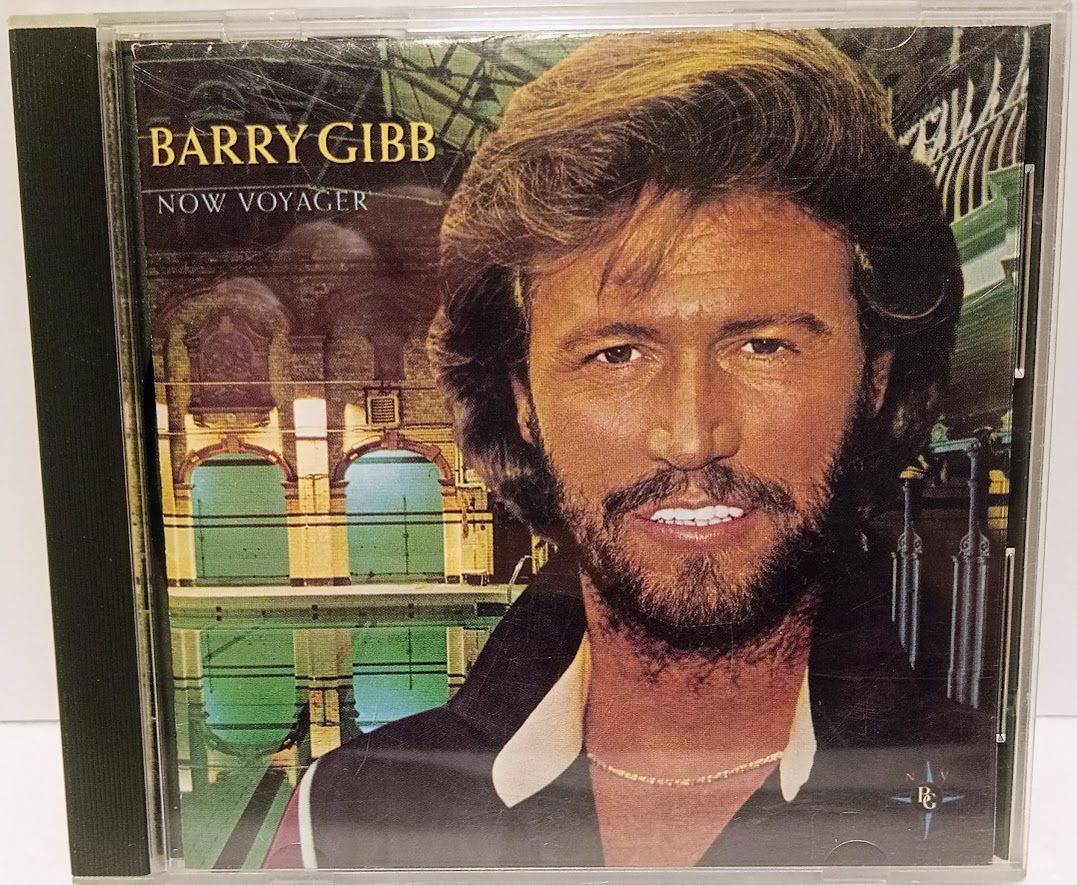
Somewhere in a closet, a drawer, or a box in the garage, there’s a compact disc that hasn’t been played in twenty years. Maybe it’s an album you loved. Maybe you don’t even remember buying it.
Is it worth anything?
The answer isn’t necessarily printed on the cover. Two CDs with identical artwork can have very different histories, and sometimes very different values. The clues may be hiding in the catalog number, the printing on the disc, or a nearly invisible string of characters around its center.
Before you donate that box of old CDs, it’s worth taking a closer look.
Start with a Five-Second Check
Picture a yard sale with a box of two hundred CDs. Nobody is going to research every album while standing in the driveway. You need a way to spot the ones worth a closer look.
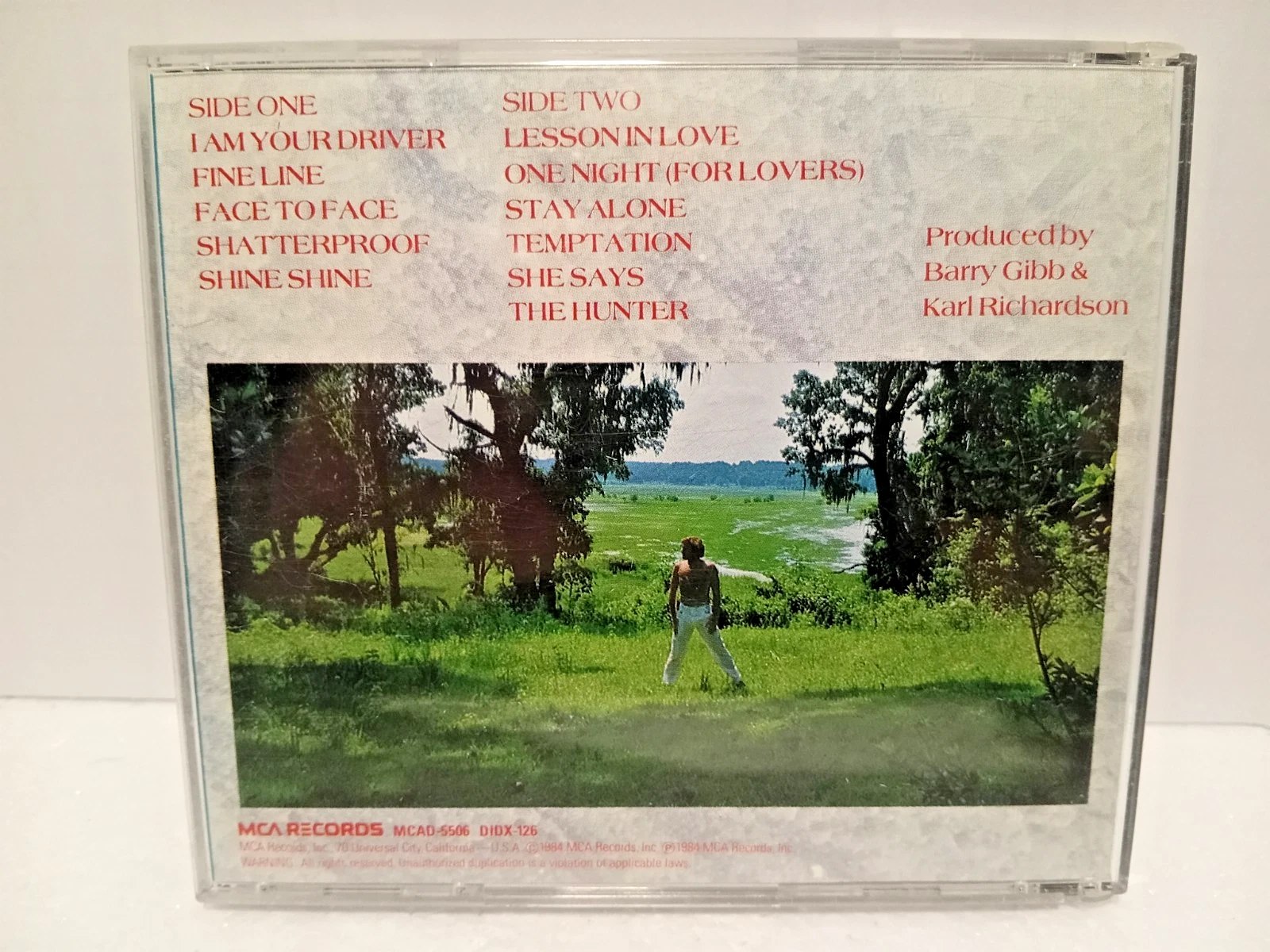
Turn the case over. Is there a barcode? If there isn’t, put that CD in your closer-look pile. Some early CD packaging was issued without a UPC, so a missing barcode can be a useful screening clue when hunting for bargain CDs in thrift stores.
Our Now Voyager example has no visible barcode on the back insert. It also uses the old “Side One” and “Side Two” language, a reminder that CD artwork sometimes carried over design conventions from LPs. Neither detail proves when this particular disc was pressed, but together they give us a reason to investigate.
Find the Numbers That Identify the Release
Without a barcode, how do you search? Start with the catalog number. Look along the spine, on the back insert, and on the disc label. Copy the letters and digits exactly, including hyphens.
On our copy, the spine and back insert show MCAD-5506 and DIDX-126. The back insert also carries a 1984 copyright notice. That tells us something about the recorded material and artwork, but a copyright year is not necessarily the year a particular CD was manufactured.
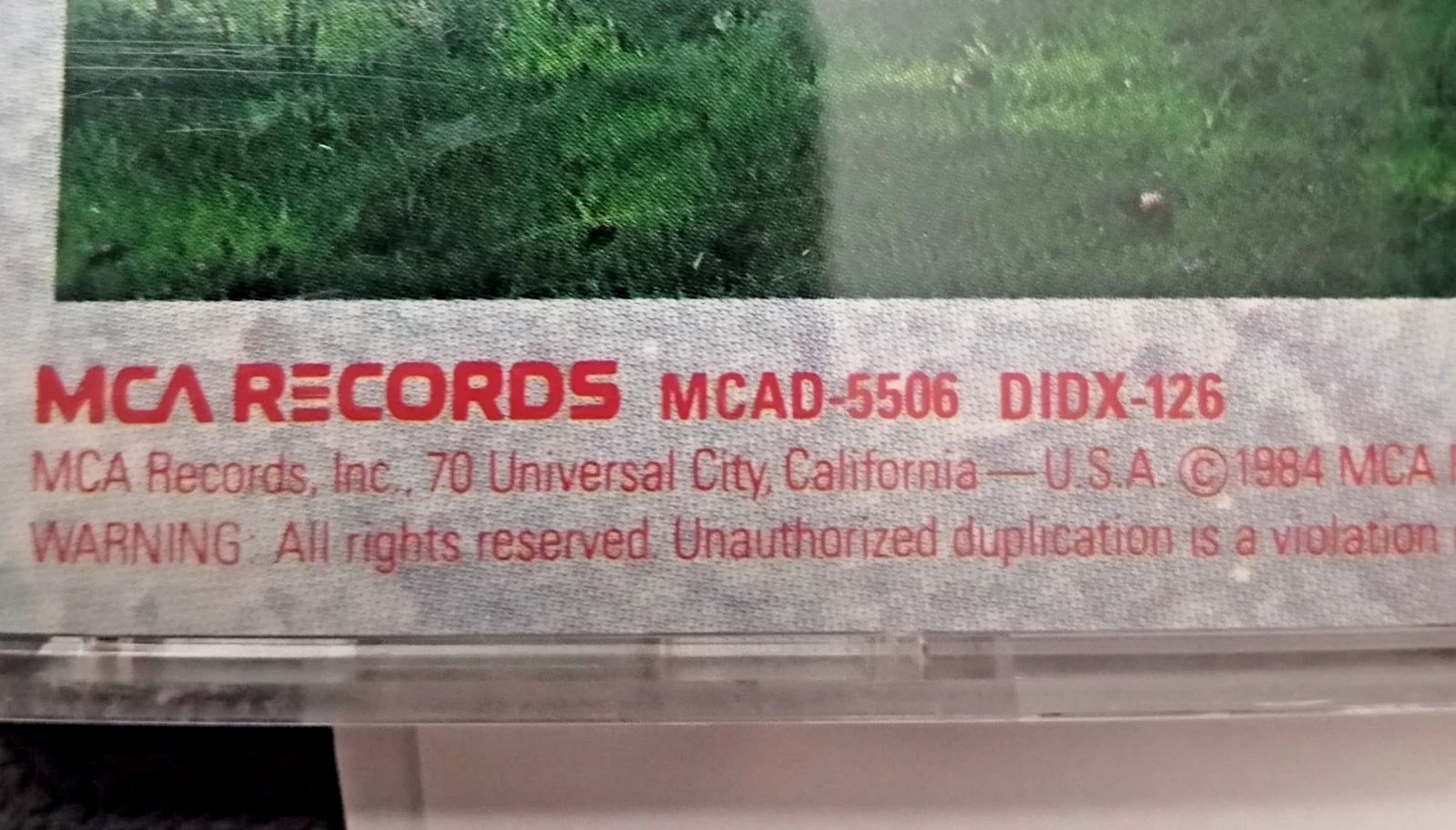
Try searching the artist, title, and catalog number together. For this example, that means searching Barry Gibb Now Voyager MCAD-5506 DIDX-126. A catalog number may be shared by more than one manufacturing variation, so it narrows the search without always finishing it.
Look at the Disc, Not Just the Case
Open the case and compare the disc with the packaging. Does the printed information agree? Is the correct booklet present? A secondhand CD can end up in the wrong case, so the artwork alone isn’t enough.
Next, hold the disc by its edges and tilt it under a light. Around the center hole is a narrow area with tiny etched or stamped characters, often called the matrix or runout area. The markings can help distinguish manufacturing versions that otherwise look alike. Don’t confuse the larger text printed on the label with the smaller markings in or near the clear center and reflective inner ring.
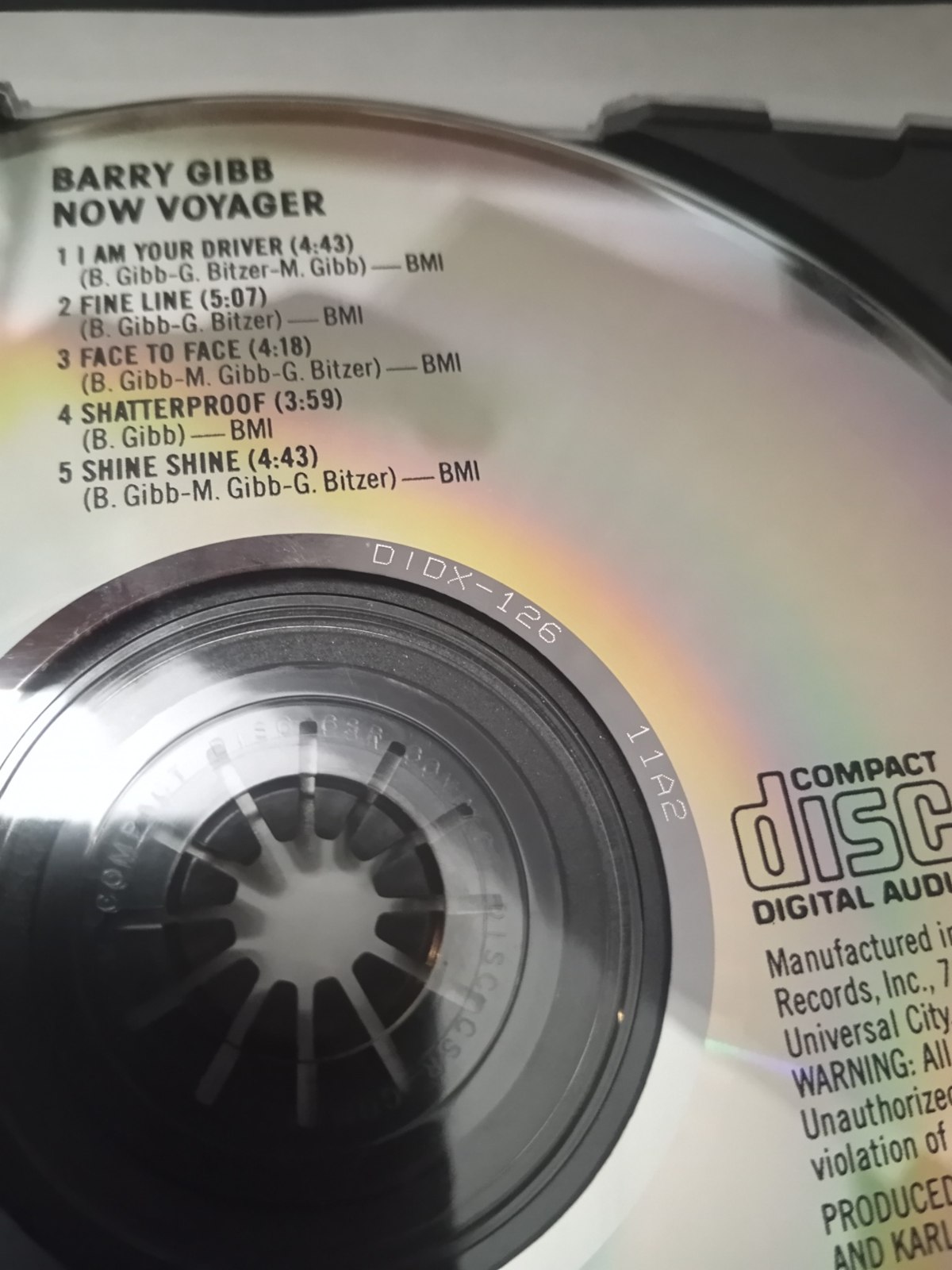
Write down what you can actually read. If a character is unclear, mark it as uncertain rather than guessing. Don’t assume every letter and number is a date or a rarity code. These markings become useful when compared with documented copies of the same release.
Match the Edition on Discogs
Open Discogs and search for the artist and album. Choose the CD format, then compare the catalog number, label, country, images, and any listed matrix/runout information. Look for a release page whose physical details agree with your copy, not simply a page with the same cover.
If several versions appear to match, don’t force a conclusion. Record the possibilities and look for the one detail that separates them. Sometimes the correct answer is that the available information doesn’t establish the exact pressing.
Find Out What Buyers Actually Paid
Identification is only half the job. A CD can be uncommon and still have few interested buyers. Conversely, an ordinary-looking release can attract demand from collectors looking for one particular edition.
Search eBay using the most specific identifiers you have. Select Sold Items in the filters, then compare completed transactions with your disc. Check that the catalog number, artwork, and condition match. Include shipping when thinking about what buyers paid overall.
Ignore the temptation to use the highest active asking price as your answer. Somebody listing a CD for $150 has established what they want, not what the market has paid. Where available, eBay’s Product Research tools can provide more sales history and useful information about accepted offers.
If you find several closely comparable sales, use them to form a reasonable range. If there are no good matches, say so. An unverified asking price is not a substitute for evidence.
Condition Is Part of the Price
Take the disc out and inspect it under good light. Check for scratches, cracks, and visible damage, then examine the booklet and rear insert for missing pages, writing, water damage, or tears. A replacement plastic jewel case is usually less significant than missing original artwork, but collectors can care about details that casual listeners overlook.
Test playback if you can. A shiny disc isn’t automatically perfect, and a lightly marked disc isn’t automatically unplayable. Accurate descriptions and clear photographs matter, especially when someone is paying for a particular edition rather than simply a familiar album.
So, Is It Worth Selling?
Now put the pieces together: exact edition, evidence of demand, comparable sold prices, and your copy’s condition. That’s the basis for an informed estimate. Remember that marketplace fees, packing supplies, and any seller-paid postage affect what you actually keep.
Our Now Voyager photographs illustrate the identification process, not a verified sale price. We haven’t established a current sold-price range for this exact pressing here, and it would be misleading to invent one. The method works whether the answer turns out to be $5, $50, or simply “not enough sales to tell.”
The next time you find an unfamiliar CD, give it five seconds before you pass it by. Turn it over. Check the barcode. Find the catalog number. Look at the disc. Then follow the evidence instead of the most exciting price tag on the internet.
You might discover something valuable. Or you might discover something you didn’t know yesterday. Either way, you’ve learned to look again.


Leave a Reply